![kilterlogo big_big.png]](https://learn.kiltersystems.com/hs-fs/hubfs/kilterlogo%20big_big.png?height=40&name=kilterlogo%20big_big.png)
In this chapter, you will find the general safety instructions.
Warning: The user is responsible for reading the Safety chapter carefully before using the machine. Incorrect use of the machine may result in death, serious personal injury, and environmental consequences.
Working with agricultural machinery can be dangerous. Avoid accidents! Don’t take any chances! Always stay alert! Think safety! Work in a safe manner!
Make sure you are familiar with all operating functions and safety instructions before using the machine. Knowledge of the safety regulations forms the basis for the safe and error-free use of the machine.
Failure to follow the safety instructions, neglect of maintenance, use of the machine for purposes other than its intended use, overloading of the machine, or unauthorized modifications to the machine will void the manufacturer's liability for any resulting consequences.
Incorrect use of the machine can lead to dangerous situations. Therefore, always work in a controlled and safe manner.
General Regulations
In addition to the regulations in this chapter, the following safety regulations must be observed:
- Regulations for accident prevention
- General, recognized safety standards
- Workplace safety regulations applicable in each country
- Information provided in this user manual
- Rules regarding the use, maintenance, and repair of machinery
Failure to comply with these rules may result in harm to the user, other individuals, and the machine.
Safety Symbols on the Machine
 Important: Ensure that you and other users of the machine are well acquainted with the meaning and placement of the symbols on the product.
Important: Pay special attention to the hazard represented by the symbol when you are in its vicinity.
Important: The labels with the symbols must always be clearly legible and kept clean.
Important: The machine owner is responsible for ensuring that all safety labels are in good condition. If labels need to be replaced due to wear or because they are missing, contact your supplier to request replacements. Be sure to provide the label number.
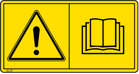 SL01 Warning: Read the manual before use.
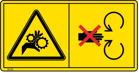 SL02 Warning: Risk of hand crushing. Keep a safe distance from rotating machinery
 SL03 Warning: Risk of harmful substances. Use protective equipment.
 SL04 Warning: Read the manual before performing service.
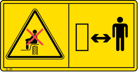 SL05 Warning: Do not sit here; keep a safe distance.
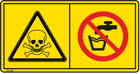 SL06 Warning: Risk of toxic substances. Do not drink the water.
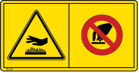 SL07 Warning: Risk of hot surface. Do not touch.
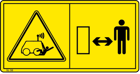 SL08 Warning: Autonomous vehicle. Keep a safe distance during operation.
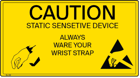 SL09 Caution: Components sensitive to static electricity. Always use a grounding wrist strap in this area.
 SL10 Medical Aid: Container with eyewash solution.
 SL11 Medical Aid: Tap with water for rinsing hands.
Safety Features on the Machine
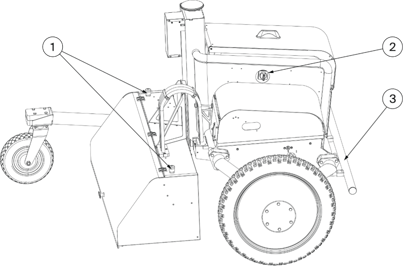
- Emergency stop button
- Main power switch
- Bumper and emergency stop
Emergency Stop Buttons
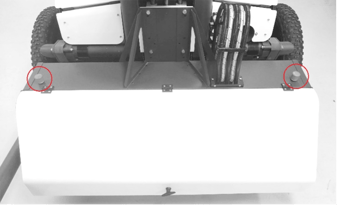
At each end of the boom, there is an emergency stop button. Pressing any of these buttons will immediately halt the machine's spraying and autonomous operation. To restart the machine after an emergency stop, rotate the emergency stop button a quarter turn counterclockwise to reset it. Then, confirm the robot’s restart in the app before resuming normal operations.
Main Power Switch
The main power switch is a manual rotary switch used to turn the machine on and off. If the switch is in the "OFF" position, the main power to the machine is cut. When in the "ON" position, the circuits are powered. During normal operation, it is recommended to turn off the machine in the app before switching it off manually. In emergencies, this switch can be used directly without turning off the machine in the app first.
Bumper/Emergency Stop
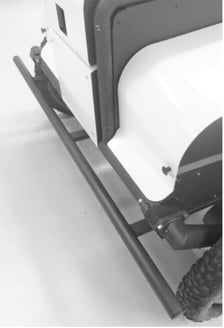
The machine is equipped with a bumper that stops the robot if it encounters an obstacle. The bumper is a transverse bar with a magnet that disconnects from an inductive sensor when pressed. The drive wheels will immediately stop, and the machine halts, just as with an emergency stop button.
Eye Washer
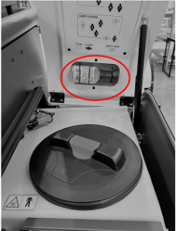
Located underneath the left side cover is an eye washer for immediate first aid. It contains sterile water and is used if anyone's eyes come into contact with pesticides. To use, detach it from the straps holding it in place, open the lid on top of the bottle, and place the nozzle over the affected eye. Tilt your head back and flush the eye with the sterile water. Repeat as needed. Contact the Poison Control Center at +47 22 59 13 00 for advice. Ensure that a full eye washer is always available at this location.
Clean Water Tap
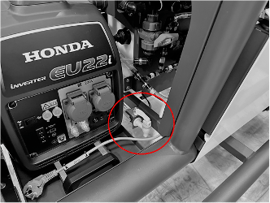
On the machine's right-side compartment, there is a tap connected to the clean water tank (Figure 6). Use this tap to rinse hands or skin that has come into contact with pesticides. For further information, refer to Chapter 8.3.1 Filling the Clean Water and Rinse Water Tanks.
Intended Use of the Machine
The machine is intended solely for spraying weeds in fields with approved vegetable crops suitable for the machine. Contact your Kilter representative for an updated list of compatible vegetable crops for your robot.
The machine is only to be operated on private property. Driving on public roads is prohibited. If transport on public roads is necessary, the machine must be transported on an approved trailer or rig.
Ensure thorough knowledge of the machine's functionality and associated risks before use.
Machine operators must have the training required by national authorities and be properly instructed in the safe use of the product.
The machine must only operate within the conditions specified in Subchapter 5.2, Requirements for a Suitable Work Area.
Danger: Violation of safety recommendations for stability may lead to severe injury as the machine can tip over onto people or animals.
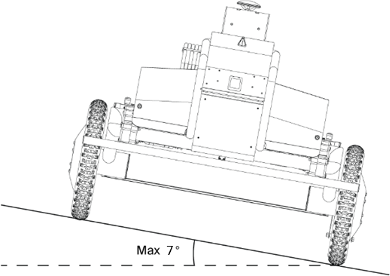
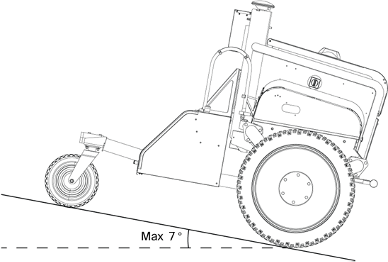
The robot must not operate on terrain with more than a 7-degree slope, both along and across its direction of travel.
General Safety Advice for Accident Prevention
- Read the safety chapter carefully and adhere to the provided safety recommendations.
- Be aware of the hazards represented by the machine’s warning symbols and other markings. Follow them for your own and others' safety and to prevent environmental spills.
- Maintain a safe distance from the robot during both autonomous and manual operation.
- Never lie under the robot, even if it is lifted for service or maintenance.
- Never use the machine on areas exceeding the recommended maximum incline.
- Practice manually driving the robot in a safe area with no risk of collisions with people, animals, or objects.
- In addition to the information in this manual, follow national safety regulations and accident prevention guidelines.
- Inspect the area around the machine before starting it (e.g., for children or animals). Ensure sufficient visibility and keep the area monitored during operation.
- It is prohibited to use the machine for transporting people, goods, or anything other than spraying plant protection products.
- No person should be in the robot's working area, including areas where the machine turns.
- Ensure no livestock can access the machine's working area.
Measures to Prevent Contact with Chemicals and Environmental Spills
- Always use safety equipment when handling spray agents and in situations described in Situations Requiring Protective Equipment.
- When mixing plant protection products, always follow the recommended mixing ratio stated on the product label.
- Ensure a container is placed under the drain point to collect surplus residues when draining leftover plant protection products or rinse water from the tank. Ensure the container does not overflow.
- Always verify that the machine has the correct spray pressure.
- Each nozzle block has two hoses—one for inlet and one for outlet. Ensure they are correctly connected to their respective connection points on the boom.
- Verify that the selected crop type in the spray control menu matches the type of vegetable being cultivated in the field.
- Store plant protection products in a locked location and in accordance with the manufacturer’s safety data sheet.
- The machine automatically adjusts the amount of spray per area based on weed coverage. Compared to conventional spraying, this significantly reduces the use of plant protection products.
Filling the Tank
- Always wear complete protective equipment when handling spray agents. See Safety and Protective Equipment.
- Avoid spills when filling spray agents. Always use appropriate equipment for filling and follow the procedures described in Internal Cleaning of the Spray System.
- Follow the spray agent manufacturer's recommendations regarding:
- Protective equipment
- Handling warnings
- Dosage, usage, and cleaning
Note: The use of unauthorized plant protection products is prohibited! Use only products approved for this machine.
- The spray agent tank capacity is 52 liters. Do not exceed this volume.
Spraying
- Ensure that no one is near the machine’s working area during spraying.
- Recommended protective equipment must be worn if entering a treated area before the reentry interval has elapsed. The interval is specified in the spray agent’s safety data sheet.
Warning: Never loosen hoses, pipes, or other components in the machine's spray system while the machine is running. This could result in uncontrolled leakage of spray agents.
Adjustments
- Before making adjustments to the machine, the spray tank must be emptied, and the spray system, including the boom and nozzle blocks, must be rinsed with water. The machine should also be cleaned externally.
- If the machine is lifted for maintenance or adjustments, it must be securely supported, and the lifting rig must be stable to prevent tipping.
Draining and Cleaning the Tank
- Always wear necessary protective equipment when draining the spray tank.
- Residual spray agents must be labeled with their contents and delivered to a hazardous waste facility. Never dispose of spray agents in nature, drains, or other improper locations.
- Use an appropriate container for draining the tank and follow the procedure described in Chapter 9.2.1 Draining the Spray Tank.
Changing Spray Agents
When switching spray agents, follow this procedure:
- Empty the tank completely, including any residual volume.
- Clean the tank with an appropriate cleaning agent. Follow the instructions on the product label. Insufficient cleaning before refilling with a new agent may harm sensitive crops. Refer to the recommendations on the spray agent’s label.
- Drain the tank of cleaning water and refill it with the new spray agent.
Service
- Maintenance, service, and cleaning (excluding internal tank and spray system cleaning) must only be performed when the machine's main power switch is turned off.
- Screws and nuts must be checked regularly and tightened as needed.
- Bolts for both drive wheels and support wheels must be checked as needed, especially after periods of inactivity.
Warning: Never loosen hoses, pipes, or other components in the spray system while the machine is running. This may cause uncontrolled leakage of spray agents.
Safety and Protective Equipment
-
The person responsible for operations must provide necessary personal safety and protective equipment for handling plant protection products.
-
Follow the precautions on the spray agent's label, which may include:
- Chemical-resistant gloves (material specified on the label)
- Chemical-resistant suit
- Waterproof footwear
- Face protection
- Respiratory protection
- Safety goggles
- Skin protection products, etc.
-
The safety equipment is designed to protect the user from injuries caused by contact with spray agents on skin and/or eyes.
-
Safety equipment should be used when physically handling the machine beyond turning it on or off. The operator or machine owner is responsible for ensuring that necessary protective equipment is always available. Equipment must not be damaged or defective in any way.
Defective Safety Equipment
Defective safety equipment is equipment that no longer meets protection requirements, such as gloves with holes or cracked safety goggles that can no longer protect against contact with spray agents.
Situations Requiring Protective Equipment
Protective equipment is mandatory in the following situations:
- Filling the spray tank
- Handling spray agents
- Handling the spray system and nozzles
- Cleaning the nozzles
- Any situation where the operator anticipates possible contact with spray agents on the skin or eyes.
If Spray Liquid Comes into Contact with Eyes or Skin
- If spray liquid contacts the eyes, rinse immediately. An eyewash bottle is located in the machine's left side cover (see Eyewash).
- If spray liquid contacts the skin, rinse immediately. A tap for clean water is located to the right of the generator (see Clean Water Tap).
- If symptoms such as vision loss, irritation, or rashes occur, contact a doctor or the Poison Information Center at +47 22 59 13 00. Specify the spray agent involved.
- In acute situations, call 113.